
Materials That Make Intelligence Tangible.
A functional polymer materials platform with 20 years of experience. Interface materials, from molecules to mass production.
Our tactile interfaces
Four capability areas
Each project starts from your application.
-
 Tactile sensing
Tactile & visuotactile contact materials
Material sheets, layered prototypes and project validation for tactile and visuotactile sensors.
Multilayer composite · elastic recovery · sensing-compatible
-
 Dexterous hands & grippers
Replaceable fingertips & gripper pads
Samples, custom geometry and mounting/replacement concepts for fingertips and gripper pads.
Hygienic protection · stable grip · replace as needed
-
 Teleoperation & motion capture
Data-glove materials & packaging
Protective layers, liners and mechanical packaging for sensors in data-collection gloves.
Soft fit · sensor contact · packaging co-developed
-
 Full-body humanoid coverage
Contact layers for curved e‑skin
Curved lamination, segmented coverage and pilot integration for electronic skin.
Curved conformity · protection · signal path


Why NEWMAT
Four things every contact layer must get right
- 01
Consistent
- Repeatable, batch-stable materials
- Drop-in replacement parts
- 02
Durable
- Abrasion-resistant contact layers
- Strong, long-lasting bond
- 03
High-fidelity
- Tuned hardness and thickness
- Optimized optical properties
- 04
Scalable
- Conformal shells and gloves
- Ready for mass production
Our approach
Every layer tuned to your sensor architecture
A precision-engineered, multilayer material stack for optical tactile sensing.

Consumable economics
High-value hand materials, designed as consumables. We design contact layers to be replaced, not rebuilt—so the fingertip stops being the first thing to fail, and the swap scheme fits your line.
Physical intelligence
From seeing to doing: contact feedback is the missing step
Only real contact tells a robot how hard it is pressing and whether an object is slipping. In a visuotactile sensor the material itself makes contact readable: the elastomer deforms, markers inside it shift, and a camera behind it reads the shift.
That is why the contact layer is a multilayer functional material, not just a cover: it links real contact to tactile sensing. We develop that layer; reading and acting on the signal stays with your sensing and control team.
- 01Contact
- 02Elastomer deforms
- 03Optical read-out
Product line
Hillmat — replaceable sensor skin for every robot application
Match your application to the right contact material. Final specifications are set with you for each project.
-
 Humanoid hands · industrial
Hillmat-Pro
Built for high-cycle manipulation in structured industrial environments, including humanoid platforms. ESD-safe, dust-repellent, high wear-resistance—consistent tactile feedback across repeated grasp cycles.
-
 Medical & surgical robots
Hillmat-Medi
Contact layer for manipulation in medical scenarios. Ag⁺ antimicrobial and fluid-resistant, designed around standard disinfection routines. Compliance is assessed per project.
-
 Food service & kitchen robots
Hillmat-Food
Contact material for food-handling scenarios. Steam-resistant and grease-repellent, designed for kitchen and food-sorting environments. Regulatory suitability is assessed per project.
-
 Service & consumer robots
Hillmat-Lite
Lightweight, long-lasting contact layer for service robots operating in home and commercial environments. Hydrophobic, low-maintenance.


Work scenarios
New scenarios for robots are familiar ground for us
Our understanding of contact, protection and real working conditions comes from years of glove coatings used in six kinds of workplace. The same requirements now reach robots.
 01LaboratoryCleanliness and sensitivity
 02PharmacyGentle handling and protection
 03SupermarketGrip and maintenance
 04IndustryWear resistance, continuous work
 05HomeWet conditions and cleaning
 06Medical testingProtection and consistency


Built for
Designed for teams building the next generation of touch

Visuotactile sensing teams
For optical visuotactile sensor architectures, including marker-based and custom designs: consistent marker deformation and a clean optical path.

Humanoid hand teams
Fingertip-scale form factors and replaceable contact layers for dexterous-manipulation R&D and deployment.

Industrial gripper teams
Durable contact materials for high-cycle contact in structured environments; ESD-safe and dust-resistant options.

Robotics OEMs
Repeatable formulations, documented specifications and a materials engineer on the project—from samples to manufacturing transfer.
Cross-industry materials platform
Proven in gloves, rail, auto and PV—now for robotics
Materials and engineering experience from glove, rail transit, automotive and lightweight-PV applications. Our work rests on functional polymer design, interlayer interfaces and precision compounding; the same development method now serves robotics.
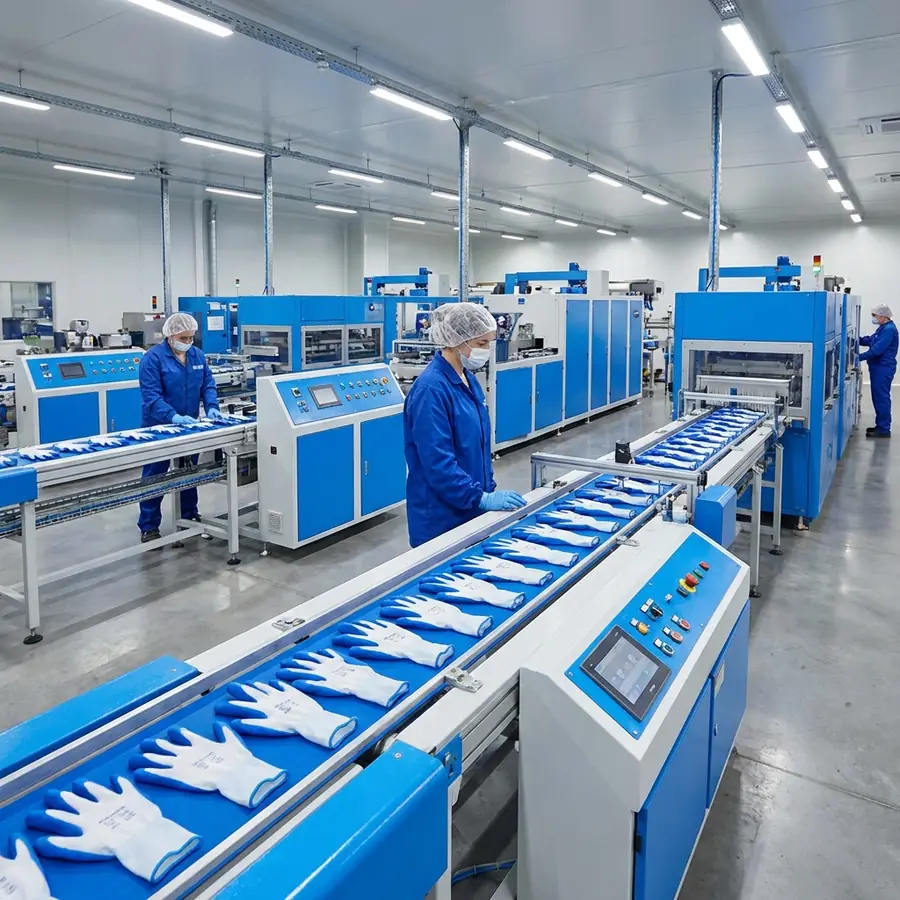
Glove coatings
Long-term supply to glove manufacturers; the source of our understanding of contact, protection and real working conditions.

Rail transit
Multilayer coating systems and application processes for demanding rail projects, from material development to on-vehicle validation and stable supply.
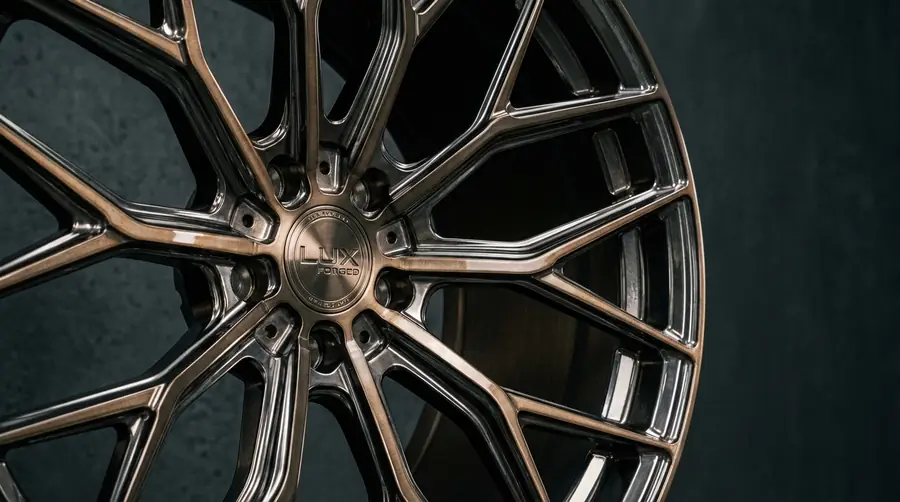
Automotive
Wheel powder coatings and coatings for composite parts that reach end vehicles through key components.
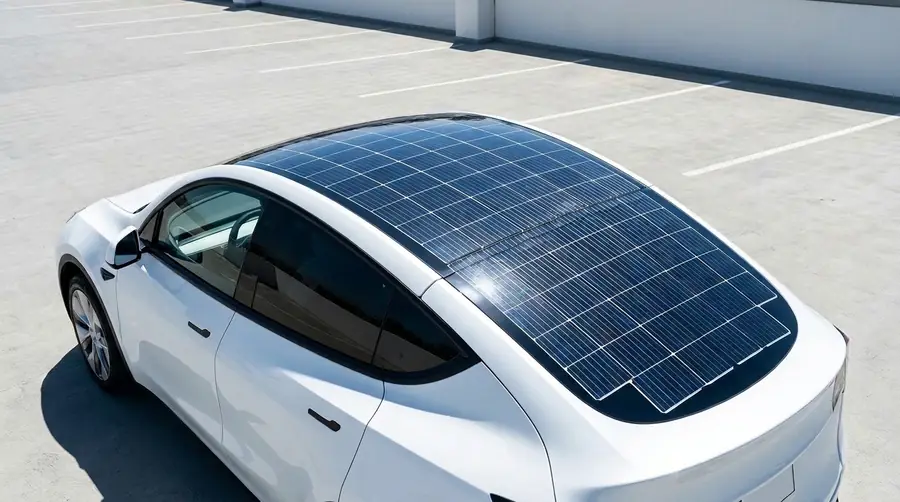
Lightweight PV
Lightweight composite front sheets that bring solar to roofs glass cannot cover and to the roofs of low-speed vehicles.


Team
One team from lab formulation to production line
A cross-functional materials team taking formulations from the lab to manufacturing.
Capability
Materials R&D
Full-stack formulation from molecular design to coating application, built over years of functional-polymer work.
Capability
Sensor interface engineering
A dedicated visuotactile materials group: silicone tuning, marker-layer optimisation and optical characterisation, working directly with robot-hand teams.
Capability
Manufacturing & scale-up
A lab-to-line path proven in industrial coatings.
How we work together
From first conversation to manufacturing transfer
- 1
Requirement definition
Task, current problem, structure and interfaces, environment, targets and how success will be judged.
- 2
Material screening
Candidate formulations and material systems are compared against the agreed requirements.
- 3
Prototyping
Samples and layered prototypes are made to fit your geometry and interfaces.
- 4
Project validation
Tests run under conditions agreed with you; results feed the next iteration.
- 5
Manufacturing transfer
Process definition and small-batch preparation once the design is stable.
Contact